

L’articolo è stato aggiunto alla lista dei desideri








LIBRO INGLESE
 E-mail
 Facebook
 LinkedIn
 Twitter
 WhatsApp
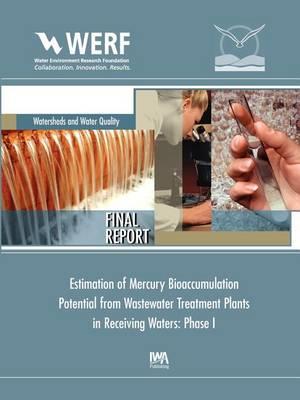
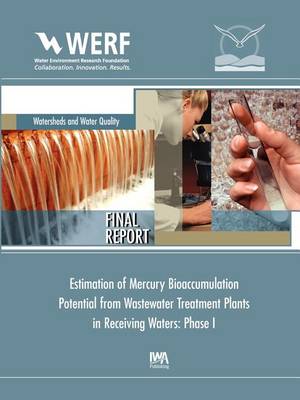
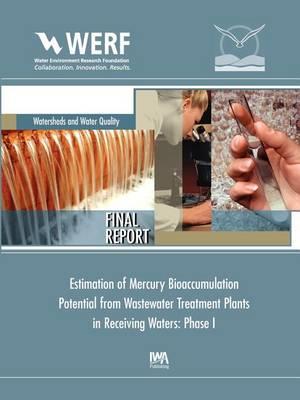
Estimation of Mercury Bioaccumulation Potential from Wastewater Treatment Plants in Receiving Waters: Phase 1
(0)
Cliccando su “Conferma” dichiari che il contenuto da te inserito è conforme alle Condizioni Generali d’Uso del Sito ed alle Linee Guida sui Contenuti Vietati. Puoi rileggere e modificare e successivamente confermare il tuo contenuto. Tra poche ore lo troverai online (in caso contrario verifica la conformità del contenuto alle policy del Sito).
Grazie per la tua recensione!
Tra poche ore la vedrai online (in caso contrario verifica la conformità del testo alle nostre linee guida). Dopo la pubblicazione per te +4 punti 
160,31 €

-5%
168,75 €
+1600
punti
Venditore: IBS
Articolo acquistabile con Carta del Docente

Articolo acquistabile con Carta Cultura Giovani e Carta del Merito

Articolo acquistabile con Carta della Cultura

Paga con Klarna in 3 rate senza interessi per ordini superiori a 39 €

Dati e Statistiche
 Salvato in 0 liste dei desideri
Salvato in 0 liste dei desideri
Estimation of Mercury Bioaccumulation Potential from Wastewater Treatment Plants in Receiving Waters: Phase 1
Disponibile in 5 gg lavorativi
160,31 €
-5%
168,75 €
160,31 €
168,75 €
-5%
Disponibile in 5 gg lavorativi
Altre offerte vendute e spedite dai nostri venditori
Libri in Inglese
Estimation of Mercury Bioaccumulation Potential from Wastewater Treatment Plants in Receiving Waters: Phase 1
Altri venditori
Prezzo e spese di spedizione
LIBRO INGLESE
Disponibile in 5 gg lavorativi

Venduto e spedito da
IBS
Spedizione Gratis
-5%
168,75 €
160,31 €
Altri venditori
Prezzo e spese di spedizione
LIBRO INGLESE
Disponibile in 5 gg lavorativi
Venduto e spedito da
IBS
Spedizione Gratis
-5%
168,75 €
160,31 €
Altri venditori
Prezzo e spese di spedizione

Tutti i formati ed edizioni
Promo attive (0)
This project was initiated in response to the establishment of mercury TMDLs around the country and issues raised by this process, specifically concerning the issue of mercury bioavailability. While many of these studies recognize that point sources constitute a small fraction of the mercury load to a water body, a question has been raised concerning the relative bioavailability of mercury coming from various sources. For instance, is the mercury discharged from a wastewater treatment plant more or less bioavailable than mercury in precipitation, mercury in urban stormwater, or mercury in sediments? This project seeks to address this question by developing a reliable definition and approach to estimating bioavailability, by profiling various sources of mercury in a watershed with regard to the species of mercury present and by profiling those factors or conditions in either the effluent or the receiving water that enhance or mitigate the bioavailability of those forms. There were several important objectives relevant to the estimation of bioavailability and potential bioaccumulation of mercury from wastewater treatment plants and other sources in receiving waters. The first was to develop a working definition of bioavailability. For purposes of this project, this definition includes not only methylmercury, the form of mercury that readily bioaccumulates in aquatic food chains, but also bioavailable and potentially bioavailable inorganic mercury species that can be converted to methylmercury within a reasonable time frame. It is concluded that the strength of binding to solids and mercury-sulfur-organic matter associations are major factors in determining the bioavailability of inorganic Hg. A second major objective was to identify those factors or conditions in both the effluent and the receiving waters that enhance or mitigate the transformation of inorganic mercury to methylmercury and its subsequent bioaccumulation. Profiles were developed for various sources of mercury in watersheds, including wastewater treatment plants, with regard to bioavailable and potentially bioavailable mercury, and key factors in effluents and receiving waters that enhance or mitigate it. A procedure to assess the relative bioavailability of mercury from various watershed sources, including wastewater treatment plants was developed and tested using data from a US location. The project also features a literature review of conventional and emerging technologies for the removal of mercury from effluent streams and their effects on mercury bioavailability. A review of the salient aspects of mercury TMDLs completed by EPA and the states is also included. This project concludes that, based on available data and bioavailability as defined in this report, wastewater effluent is one of the lowest among the sources evaluated with respect to mercury bioavailability, along with urban runoff and mining runoff. Atmospheric deposition and contaminated sediments tend to be among the highest sources with respect to mercury bioavailability.
Leggi di più
Leggi di meno
Autore:
Editore:
Anno:
2009
Rilegatura:
Paperback / softback
Pagine:
232 p.
Testo in English
Dimensioni:
234 x 156 mm
EAN:
9781843393573

L'articolo è stato aggiunto al carrello
Informazioni e Contatti sulla Sicurezza dei Prodotti
Le schede prodotto sono aggiornate in conformità al Regolamento UE 988/2023. Laddove ci fossero taluni dati non disponibili per ragioni indipendenti da IBS, vi informiamo che stiamo compiendo ogni ragionevole sforzo per inserirli. Vi invitiamo a controllare periodicamente il sito www.ibs.it per eventuali novità e aggiornamenti.
Per le vendite di prodotti da terze parti, ciascun venditore si assume la piena e diretta responsabilità per la commercializzazione del prodotto e per la sua conformità al Regolamento UE 988/2023, nonché alle normative nazionali ed europee vigenti.
Per informazioni sulla sicurezza dei prodotti, contattare productsafetyibs@feltrinelli.it
L’articolo è stato aggiunto alla lista dei desideri
