

L’articolo è stato aggiunto alla lista dei desideri









EBOOK IN LINGUA STRANIERA
 E-mail
 Facebook
 LinkedIn
 Twitter
 WhatsApp
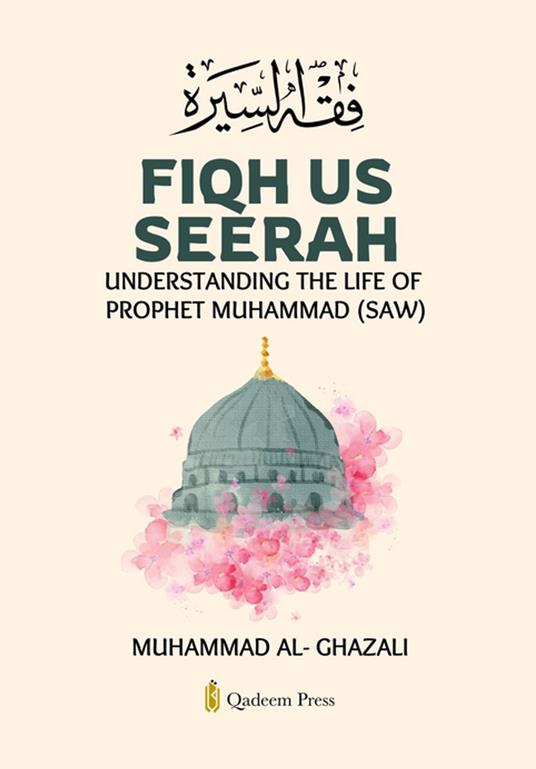
Fiqh Us Seerah
(0)
Cliccando su “Conferma” dichiari che il contenuto da te inserito è conforme alle Condizioni Generali d’Uso del Sito ed alle Linee Guida sui Contenuti Vietati. Puoi rileggere e modificare e successivamente confermare il tuo contenuto. Tra poche ore lo troverai online (in caso contrario verifica la conformità del contenuto alle policy del Sito).
Grazie per la tua recensione!
Tra poche ore la vedrai online (in caso contrario verifica la conformità del testo alle nostre linee guida). Dopo la pubblicazione per te +4 punti 
12,26 €
+120
punti 

Venditore: IBS

Acquisto online

Scaricabile subito
Articolo acquistabile con Carta del Docente

Articolo acquistabile con Carta Cultura Giovani e Carta del Merito

Abbonati a Kobo plus per avere accesso illimitato a questo contenuto

Dati e Statistiche
 Salvato in 0 liste dei desideri
Salvato in 0 liste dei desideri
Fiqh Us Seerah
Scaricabile subito
12,26 €
12,26 €
Scaricabile subito
Altre offerte vendute e spedite dai nostri venditori

Ebook in lingua straniera
Fiqh Us Seerah
Altri venditori
Prezzo e spese di spedizione
Nuovo
 scaricabile subito
Venduto e spedito da
IBS
scaricabile subito
Venduto e spedito da
IBS
scaricabile subito
Spedizione Gratis
12,26 €
Altri venditori
Prezzo e spese di spedizione
Nuovo
scaricabile subito
Venduto e spedito da
IBS
scaricabile subito
Spedizione Gratis
12,26 €
Altri venditori
Prezzo e spese di spedizione

Tutti i formati ed edizioni
Promo attive (1)
Fiqh Us Seerah
A masterwork of prophetic biography that transcends conventional historical narrative to present the life of Prophet Muhammad ? as a living model for Islamic practice and governance. Written by the renowned Egyptian scholar Muhammad Al-Ghazali, this comprehensive study examines the Prophet's life through the lens of fiqh (jurisprudence), demonstrating how events from the sirah inform Islamic law, ethics, and social organization. Al-Ghazali employs a distinctive methodological approach that synthesizes classical Arabic historiography with modern analytical techniques, creating a cohesive narrative that illuminates both the historical events and their enduring legal and spiritual significance. Rather than presenting disconnected anecdotes, the author weaves together authenticated hadith reports, Quranic exegesis, and historical analysis to reveal the systematic development of Islamic civilization from its inception in pre-Islamic Arabia through the establishment of the Madinah state. The work addresses nine major phases of the prophetic mission: the state of pre-Islamic civilizations and the universal need for divine guidance; the Prophet's birth, childhood, and preparation for prophethood; the struggle to establish monotheism in Makkah; the mass migration to Madinah and its causes; the foundations of the new Muslim society; the defensive military campaigns; the expansion phase following the Treaty of Hudaybiyah; the Prophet's marriages and their legal implications; and the final days and death of the Messenger. Al-Ghazali's treatment distinguishes itself through several scholarly contributions. He rigorously examines hadith authenticity using principles established by classical scholars while also evaluating narrations against the Quran's overarching framework and established Islamic legal principles. He provides historical context for the revelation of Quranic verses, demonstrating the organic relationship between divine revelation and lived experience. Most significantly, he challenges Muslims to move beyond mere commemoration toward active implementation of prophetic teachings in contemporary life. This edition includes critical hadith verification by Sheikh Muhammad Nasiruddin Al-Albani, one of the twentieth century's most respected hadith authorities. His annotations identify the authentication status of narrations, providing readers with scholarly grounding for the historical claims presented. The author confronts several persistent misconceptions about Islamic history, including fabricated stories that have infiltrated the sirah literature. He applies rigorous source criticism to separate authentic accounts from later accretions, particularly regarding controversial episodes that contradict established Islamic principles. His analysis demonstrates that apparent contradictions in hadith literature often reflect incomplete transmission or misunderstanding of context rather than actual inconsistencies in the Prophet's conduct. Al-Ghazali writes with the conviction that the Prophet's biography is not entertainment for the spiritually passive but rather a comprehensive manual for those seeking to embody Islamic values in their personal conduct, family life, social relations, and political engagement. He emphasizes that Muslims' relationship with the Prophet must be grounded in following his example rather than in empty ritualism or excessive emotional devotion divorced from behavioral transformation. The work serves multiple audiences: students of Islamic studies seeking a systematic understanding of prophetic biography; Muslims desiring to deepen their connection to the Prophet through knowledge rather than sentimentalism; scholars interested in the intersection of history, law, and theology in Islamic tradition; and general readers curious about the foundations of Islamic civilization and the life of one of history's most influential figures. Throughout the text, Al-Ghazali maintains scholarly objectivity while
Leggi di più
Leggi di meno
Autore:
Anno edizione:
2025
Editore:
Formato:
Lingua:
Inglese
Compatibilità:
Tutti i dispositivi (eccetto Kindle) Scopri di più
Layout:
Reflowable
EAN:
9789366085258
L'articolo è stato aggiunto al carrello
Formato:
Gli eBook venduti da IBS.it sono in formato ePub e possono essere protetti da Adobe DRM. In caso di download di un file protetto da DRM si otterrà un file in formato .acs, (Adobe Content Server Message), che dovrà essere aperto tramite Adobe Digital Editions e autorizzato tramite un account Adobe, prima di poter essere letto su pc o trasferito su dispositivi compatibili.
Cloud:
Gli eBook venduti da IBS.it sono sincronizzati automaticamente su tutti i client di lettura Kobo successivamente all’acquisto. Grazie al Cloud Kobo i progressi di lettura, le note, le evidenziazioni vengono salvati e sincronizzati automaticamente su tutti i dispositivi e le APP di lettura Kobo utilizzati per la lettura.
Clicca qui per sapere come scaricare gli ebook utilizzando un pc con sistema operativo Windows
L’articolo è stato aggiunto alla lista dei desideri
