

L’articolo è stato aggiunto alla lista dei desideri








LIBRO INGLESE
 E-mail
 Facebook
 LinkedIn
 Twitter
 WhatsApp
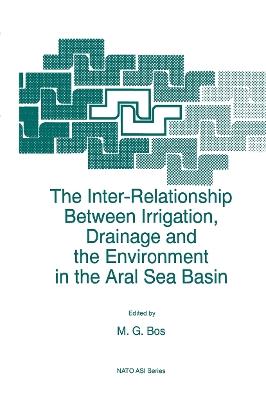
The Inter-Relationship Between Irrigation, Drainage and the Environment in the Aral Sea Basin
(0)
Cliccando su “Conferma” dichiari che il contenuto da te inserito è conforme alle Condizioni Generali d’Uso del Sito ed alle Linee Guida sui Contenuti Vietati. Puoi rileggere e modificare e successivamente confermare il tuo contenuto. Tra poche ore lo troverai online (in caso contrario verifica la conformità del contenuto alle policy del Sito).
Grazie per la tua recensione!
Tra poche ore la vedrai online (in caso contrario verifica la conformità del testo alle nostre linee guida). Dopo la pubblicazione per te +4 punti 

212,40 €
+2120
punti 
Venditore: IBS
Articolo acquistabile con Carta del Docente

Articolo acquistabile con Carta Cultura Giovani e Carta del Merito

Articolo acquistabile con Carta della Cultura

Paga con Klarna in 3 rate senza interessi per ordini superiori a 39 €

Dati e Statistiche
 Salvato in 0 liste dei desideri
Salvato in 0 liste dei desideri
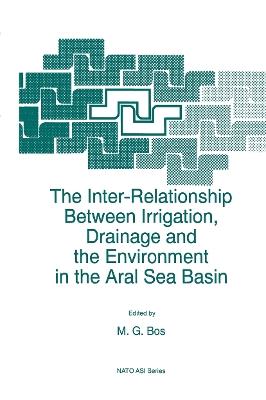
The Inter-Relationship Between Irrigation, Drainage and the Environment in the Aral Sea Basin
Disponibilità in 2 settimane
212,40 €
212,40 €
Disponibilità in 2 settimane
Altre offerte vendute e spedite dai nostri venditori
Libri in Inglese
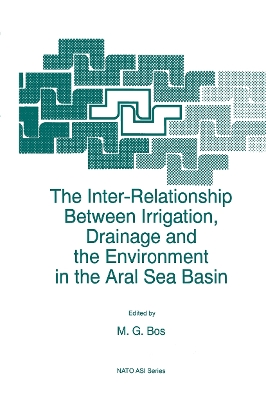
The Inter-Relationship Between Irrigation, Drainage and the Environment in the Aral Sea Basin
Altri venditori
Prezzo e spese di spedizione
LIBRO INGLESE
Disponibilità in 2 settimane

Venduto e spedito da
IBS
Spedizione Gratis
212,40 €
Altri venditori
Prezzo e spese di spedizione
LIBRO INGLESE
Disponibilità in 2 settimane
Venduto e spedito da
IBS
Spedizione Gratis
212,40 €
Altri venditori
Prezzo e spese di spedizione

Tutti i formati ed edizioni
Promo attive (1)
The irrigated area in the Aral Sea basin totals about 7. 5 million hectare. Part of the water supplied to this area is consumed by the irrigated crop; the remainder of the supplied water drains to the groundwater basin, to downstream depressions, or back to the rivers. During its use, however, this drained part of the water accumulates salts and chemicals. The disposal of this polluted water causes a variety of (environmental) problems. If the percentage consumed water of the total water supply to an irrigated area (the so-called overall consumed ratio) can be increased, less water needs to be drained. This alleviates part of the related (environmental) problems. Further, if the overall consumed ratio for the above 7. 5 million hectare is improved, less water needs to be diverted from the rivers. Hence, more water can flow towards the Aral Sea. As mentioned above, part of the non-consumed irrigation water drains to the groundwater basin. Commonly, the natural discharge capacity of this basin is insufficient to handle this imported water. As a result, the groundwater table rises towards the land surface causing waterlogging. In (semi-)arid zones this waterlogging triggers a soil salinity problem resulting to a significant reduction in crop yields. The artificial increase of the discharge capacity, and lowering of the groundwater table, solves the soil salinity problem.
Leggi di più
Leggi di meno

L'articolo è stato aggiunto al carrello
Informazioni e Contatti sulla Sicurezza dei Prodotti
Le schede prodotto sono aggiornate in conformità al Regolamento UE 988/2023. Laddove ci fossero taluni dati non disponibili per ragioni indipendenti da IBS, vi informiamo che stiamo compiendo ogni ragionevole sforzo per inserirli. Vi invitiamo a controllare periodicamente il sito www.ibs.it per eventuali novità e aggiornamenti.
Per le vendite di prodotti da terze parti, ciascun venditore si assume la piena e diretta responsabilità per la commercializzazione del prodotto e per la sua conformità al Regolamento UE 988/2023, nonché alle normative nazionali ed europee vigenti.
Per informazioni sulla sicurezza dei prodotti, contattare productsafetyibs@feltrinelli.it
L’articolo è stato aggiunto alla lista dei desideri
