

L’articolo è stato aggiunto alla lista dei desideri









EBOOK IN LINGUA STRANIERA
 E-mail
 Facebook
 LinkedIn
 Twitter
 WhatsApp
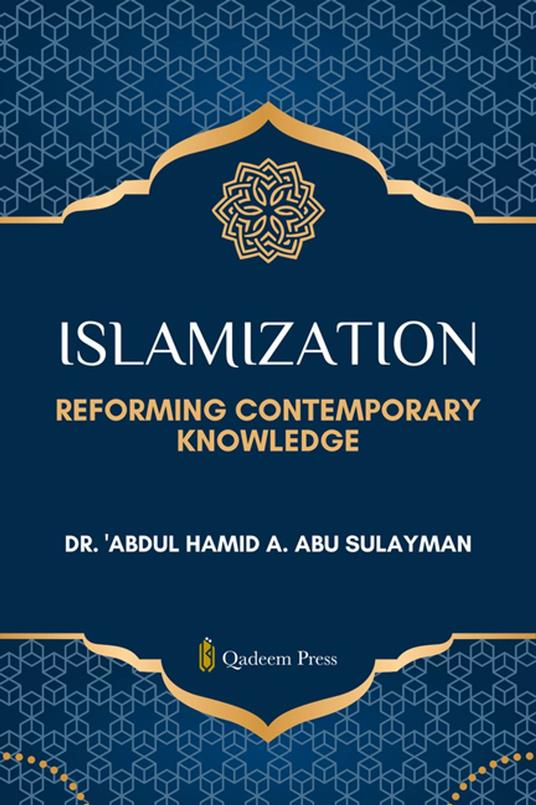
Islamization: Reforming Contemporary Knowledge
(0)
Cliccando su “Conferma” dichiari che il contenuto da te inserito è conforme alle Condizioni Generali d’Uso del Sito ed alle Linee Guida sui Contenuti Vietati. Puoi rileggere e modificare e successivamente confermare il tuo contenuto. Tra poche ore lo troverai online (in caso contrario verifica la conformità del contenuto alle policy del Sito).
Grazie per la tua recensione!
Tra poche ore la vedrai online (in caso contrario verifica la conformità del testo alle nostre linee guida). Dopo la pubblicazione per te +4 punti 
4,02 €
+40
punti 

Venditore: IBS

Acquisto online

Scaricabile subito
Articolo acquistabile con Carta del Docente

Articolo acquistabile con Carta Cultura Giovani e Carta del Merito

Abbonati a Kobo plus per avere accesso illimitato a questo contenuto

Dati e Statistiche
 Salvato in 0 liste dei desideri
Salvato in 0 liste dei desideri
Islamization: Reforming Contemporary Knowledge
Scaricabile subito
4,02 €
4,02 €
Scaricabile subito
Altre offerte vendute e spedite dai nostri venditori
Ebook in lingua straniera
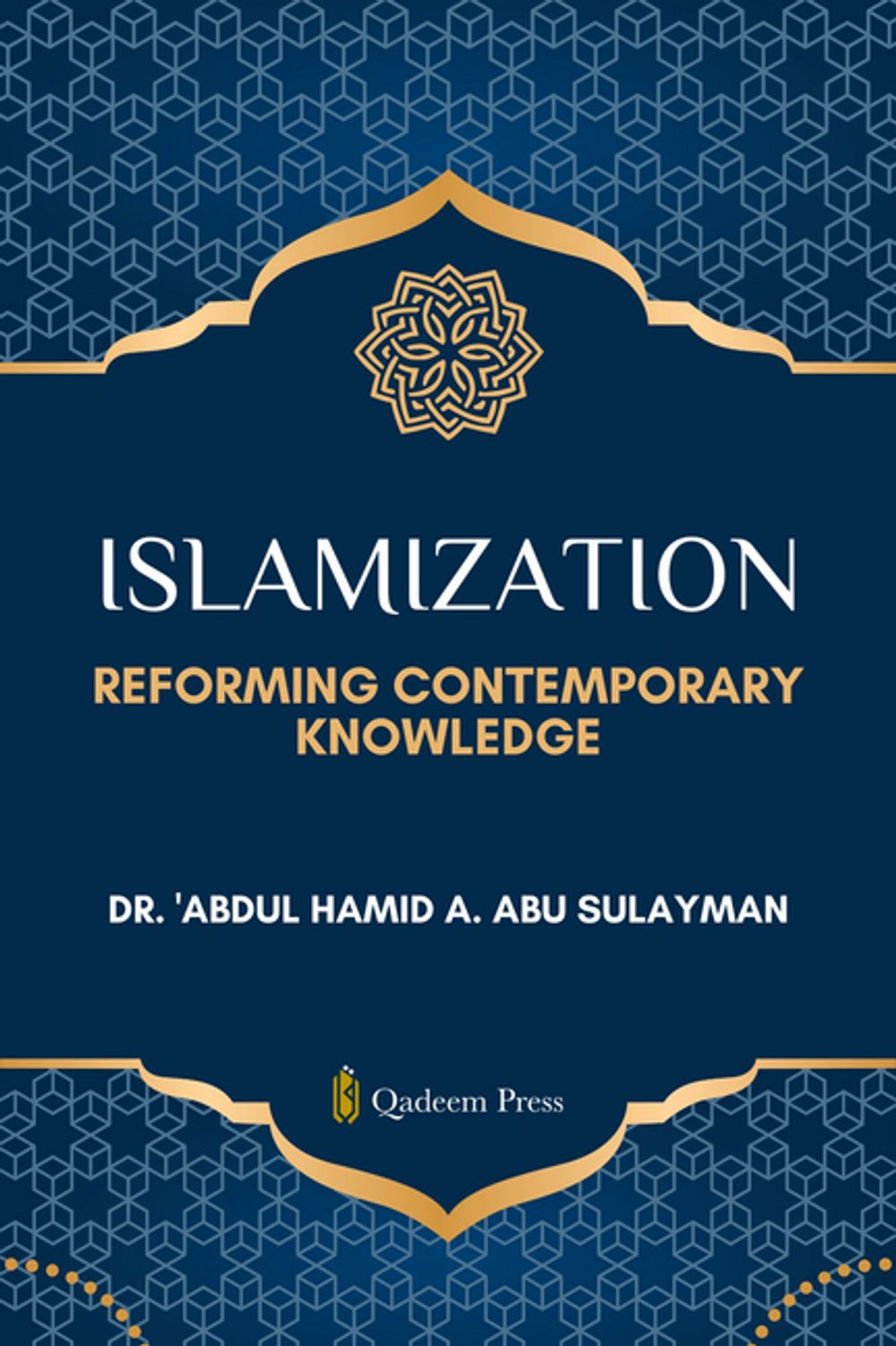
Islamization: Reforming Contemporary Knowledge
Altri venditori
Prezzo e spese di spedizione
Nuovo
 scaricabile subito
Venduto e spedito da
IBS
scaricabile subito
Venduto e spedito da
IBS
scaricabile subito
Spedizione Gratis
4,02 €
Altri venditori
Prezzo e spese di spedizione
Nuovo
scaricabile subito
Venduto e spedito da
IBS
scaricabile subito
Spedizione Gratis
4,02 €
Altri venditori
Prezzo e spese di spedizione

Tutti i formati ed edizioni
Promo attive (1)
Islamization: Reforming Contemporary Knowledge
Islamization: Reforming Contemporary Knowledge addresses the fundamental intellectual crisis confronting contemporary Muslim societies with systematic clarity and scholarly rigor. Dr. ?Abdul Hamid Ahmad Abu Sulayman, a pioneering figure in Islamic intellectual reform and Rector of the International Islamic University, Malaysia, presents both a penetrating diagnosis of the Ummah's predicament and a comprehensive prescription for renewal through the systematic Islamization of knowledge itself. The work traces the historical roots of intellectual stagnation to the critical split between political and intellectual leadership that emerged after the era of the Rightly Guided Caliphs. As political rulers adopted oppressive measures to maintain power, religious scholars—marginalized and persecuted—retreated into abstract theorizing disconnected from practical realities. This bifurcation sealed the gates of ijtihad and created intellectual paralysis that persists today, preventing creative responses to modern challenges. Abu Sulayman argues that neither blind traditionalism nor wholesale Westernization can address the Ummah's needs. Instead, he calls for original reconstruction of Islamic knowledge foundations through three interconnected reforms: rectifying the relationship between divine revelation and reason by eliminating false dichotomies that either elevate reason above revelation or suppress it entirely; redefining the scope of knowledge to recognize that modern complexity requires interdisciplinary specialists combining contemporary expertise with deep Islamic grounding; and establishing integrated educational infrastructure that eliminates dualism between “Islamic” and “secular” knowledge. The work's extended case study on political science demonstrates this methodology concretely, offering sophisticated analyses of classical concepts like khilafah and shura while critiquing uncritical adoption of Western terms like “democracy” and “sovereignty. ” Abu Sulayman distinguishes genuine Islamic political principles from both romantic idealization and apologetic distortion, showing how eternal values can be applied to contemporary circumstances without compromising foundational commitments. Written with scholarly precision yet passionate commitment to Islamic revival, the text avoids defensive apologetics while maintaining confidence in Islam’s ultimate viability. Originally published in the American Journal of Islamic Social Sciences and issued as an IIIT Occasional Paper, this work has influenced generations of Muslim scholars and reformers. Essential reading for students and scholars of Islamic thought, Muslim intellectuals committed to civilizational renewal, educators developing reformed curricula, and anyone seeking substantive understanding of contemporary Islamic intellectual movements, this volume provides a methodological blueprint for authentic Islamic engagement with modernity—one that remains urgently relevant decades after its initial publication. Table of Contents: I. The Crisis of Knowledge A. How the Crisis of Knowledge Began B. The Split in Leadership II. The Present Crisis in Islamic Thought A. Rectifying the Relationship between Revelation and Reason B. Redefining the Scope of Knowledge C. Establishing an Islamic Infrastructure and Education III. The Islamization of a Discipline: Political Science A. Examples of Deficiency B. Al Khilafah: A Case Study in Confusion C. Un-Islamic Concepts and Terminology Democracy Sovereignty Separation of Church and State D. Political Studies in Muslim Universities
Leggi di più
Leggi di meno
Autore:
Anno edizione:
2025
Editore:
Formato:
Lingua:
Inglese
Compatibilità:
Tutti i dispositivi (eccetto Kindle) Scopri di più
Layout:
Reflowable
EAN:
9789366081250
L'articolo è stato aggiunto al carrello
Formato:
Gli eBook venduti da IBS.it sono in formato ePub e possono essere protetti da Adobe DRM. In caso di download di un file protetto da DRM si otterrà un file in formato .acs, (Adobe Content Server Message), che dovrà essere aperto tramite Adobe Digital Editions e autorizzato tramite un account Adobe, prima di poter essere letto su pc o trasferito su dispositivi compatibili.
Cloud:
Gli eBook venduti da IBS.it sono sincronizzati automaticamente su tutti i client di lettura Kobo successivamente all’acquisto. Grazie al Cloud Kobo i progressi di lettura, le note, le evidenziazioni vengono salvati e sincronizzati automaticamente su tutti i dispositivi e le APP di lettura Kobo utilizzati per la lettura.
Clicca qui per sapere come scaricare gli ebook utilizzando un pc con sistema operativo Windows
L’articolo è stato aggiunto alla lista dei desideri
