

L’articolo è stato aggiunto alla lista dei desideri









LIBRO INGLESE
 E-mail
 Facebook
 LinkedIn
 Twitter
 WhatsApp
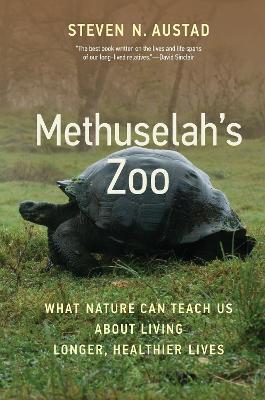
Methuselah's Zoo: What Nature Can Teach Us about Living Longer, Healthier Lives
(0)
Cliccando su “Conferma” dichiari che il contenuto da te inserito è conforme alle Condizioni Generali d’Uso del Sito ed alle Linee Guida sui Contenuti Vietati. Puoi rileggere e modificare e successivamente confermare il tuo contenuto. Tra poche ore lo troverai online (in caso contrario verifica la conformità del contenuto alle policy del Sito).
Grazie per la tua recensione!
Tra poche ore la vedrai online (in caso contrario verifica la conformità del testo alle nostre linee guida). Dopo la pubblicazione per te +4 punti 
24,94 €

-5%
26,25 €
+250
punti
Venditore: IBS
Articolo acquistabile con Carta del Docente

Articolo acquistabile con Carta Cultura Giovani e Carta del Merito

Dati e Statistiche
 Salvato in 0 liste dei desideri
Salvato in 0 liste dei desideri
Methuselah's Zoo: What Nature Can Teach Us about Living Longer, Healthier Lives
Disponibilità in 5 gg lavorativi
24,94 €
-5%
26,25 €
24,94 €
26,25 €
-5%
Disponibilità in 5 gg lavorativi
Altre offerte vendute e spedite dai nostri venditori
Libri in Inglese
Methuselah's Zoo: What Nature Can Teach Us about Living Longer, Healthier Lives
Altri venditori
Prezzo e spese di spedizione
Nuovo
 disponibilità in 5 gg lavorativi
 Venduto e spedito da
IBS
Venduto e spedito da
IBS
disponibilità in 5 gg lavorativi
Spedizione Gratis
-5%
26,25 €
24,94 €
Altri venditori
Prezzo e spese di spedizione
Nuovo
disponibilità in 5 gg lavorativi
Venduto e spedito da
IBS
disponibilità in 5 gg lavorativi
Spedizione Gratis
-5%
26,25 €
24,94 €
Altri venditori
Prezzo e spese di spedizione

Tutti i formati ed edizioni
Promo attive (0)
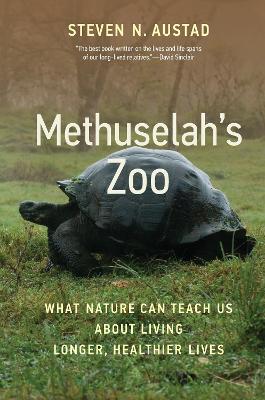
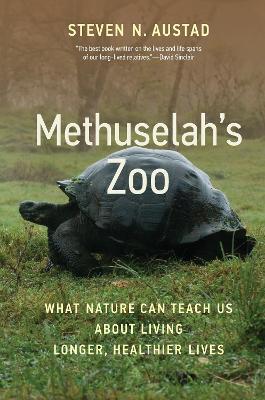
Stories of long-lived animal species—from thousand-year-old tubeworms to 400-year-old sharks—and what they might teach us about human health and longevity. Opossums in the wild don’t make it to the age of three; our pet cats can live for a decade and a half; cicadas live for seventeen years (spending most of them underground). Whales, however, can live for two centuries and tubeworms for several millennia. Meanwhile, human life expectancy tops out around the mid-eighties, with some outliers living past 100 or even 110. Is there anything humans can learn from the exceptional longevity of some animals in the wild? In Methusaleh’s Zoo, Steven Austad tells the stories of some extraordinary animals, considering why, for example, animal species that fly live longer than earthbound species and why animals found in the ocean live longest of all. Austad—the leading authority on longevity in animals—argues that the best way we will learn from these long-lived animals is by studying them in the wild. Accordingly, he proceeds habitat by habitat, examining animals that spend most of their lives in the air, comparing insects, birds, and bats; animals that live on, and under, the ground—from mole rats to elephants; and animals that live in the sea, including quahogs, carp, and dolphins. Humans have dramatically increased their lifespan with only a limited increase in healthspan; we’re more and more prone to diseases as we grow older. By contrast, these species have successfully avoided both environmental hazards and the depredations of aging. Can we be more like them?
Leggi di più
Leggi di meno
Autore:
Editore:
Anno:
2023
Rilegatura:
Paperback / softback
Pagine:
320 p.
Testo in English
Dimensioni:
229 x 152 mm
EAN:
9780262547178
L'articolo è stato aggiunto al carrello
Informazioni e Contatti sulla Sicurezza dei Prodotti
Le schede prodotto sono aggiornate in conformità al Regolamento UE 988/2023. Laddove ci fossero taluni dati non disponibili per ragioni indipendenti da IBS, vi informiamo che stiamo compiendo ogni ragionevole sforzo per inserirli. Vi invitiamo a controllare periodicamente il sito www.ibs.it per eventuali novità e aggiornamenti.
Per le vendite di prodotti da terze parti, ciascun venditore si assume la piena e diretta responsabilità per la commercializzazione del prodotto e per la sua conformità al Regolamento UE 988/2023, nonché alle normative nazionali ed europee vigenti.
Per informazioni sulla sicurezza dei prodotti, contattare productsafetyibs@feltrinelli.it
L’articolo è stato aggiunto alla lista dei desideri
