

L’articolo è stato aggiunto alla lista dei desideri








LIBRO INGLESE
 E-mail
 Facebook
 LinkedIn
 Twitter
 WhatsApp
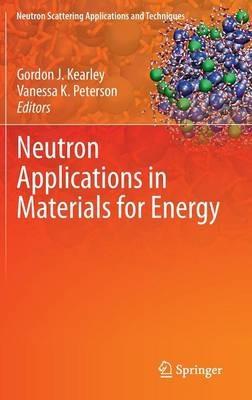
Neutron Applications in Materials for Energy
(0)
Cliccando su “Conferma” dichiari che il contenuto da te inserito è conforme alle Condizioni Generali d’Uso del Sito ed alle Linee Guida sui Contenuti Vietati. Puoi rileggere e modificare e successivamente confermare il tuo contenuto. Tra poche ore lo troverai online (in caso contrario verifica la conformità del contenuto alle policy del Sito).
Grazie per la tua recensione!
Tra poche ore la vedrai online (in caso contrario verifica la conformità del testo alle nostre linee guida). Dopo la pubblicazione per te +4 punti 
129,40 €
+1290
punti 
Venditore: IBS
Articolo acquistabile con Carta del Docente

Articolo acquistabile con Carta Cultura Giovani e Carta del Merito

Articolo acquistabile con Carta della Cultura

Paga con Klarna in 3 rate senza interessi per ordini superiori a 39 €

Dati e Statistiche
 Salvato in 0 liste dei desideri
Salvato in 0 liste dei desideri
Neutron Applications in Materials for Energy
Disponibilità in 2 settimane
129,40 €
129,40 €
Disponibilità in 2 settimane
Altre offerte vendute e spedite dai nostri venditori
Libri in Inglese
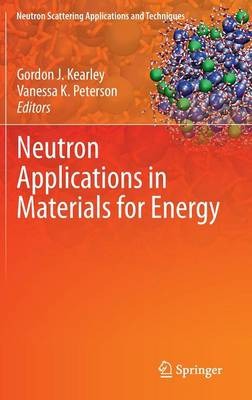
Neutron Applications in Materials for Energy
Altri venditori
Prezzo e spese di spedizione
LIBRO INGLESE
Disponibilità in 2 settimane

Venduto e spedito da
IBS
Spedizione Gratis
129,40 €
Altri venditori
Prezzo e spese di spedizione
LIBRO INGLESE
Disponibilità in 2 settimane
Venduto e spedito da
IBS
Spedizione Gratis
129,40 €
Altri venditori
Prezzo e spese di spedizione

Tutti i formati ed edizioni
Promo attive (0)
Neutron Applications in Materials for Energy collects results and conclusions of recent neutron-based investigations of materials that are important in the development of sustainable energy. Chapters are authored by leading scientists with hands-on experience in the field, providing overviews, recent highlights, and case-studies to illustrate the applicability of one or more neutron-based techniques of analysis. The theme follows energy production, storage, and use, but each chapter, or section, can also be read independently, with basic theory and instrumentation for neutron scattering being outlined in the introductory chapter. Whilst neutron scattering is extensively used to understand properties of condensed matter, neutron techniques are exceptionally-well suited to studying how the transport and binding of energy and charge-carrying molecules and ions are related to their dynamics and the material’s crystal structure. These studies extend to in situ and in operando in some cases. The species of interest in leading energy-technologies include H2, H+, and Li+ which have particularly favourable neutron-scattering properties that render these techniques of analysis ideal for such studies and consequently, neutron-based analysis is common-place for hydrogen storage, fuel-cell, catalysis, and battery materials. Similar research into the functionality of solar cell, nuclear, and CO2 capture/storage materials rely on other unique aspects of neutron scattering and again show how structure and dynamics provide an understanding of the material stability and the binding and mobility of species of interest within these materials. Scientists and students looking for methods to help them understand the atomic-level mechanisms and behaviour underpinning the performance characteristics of energy materials will find Neutron Applications in Materials for Energy a valuable resource,whilst the wider audience of sustainable energy scientists, and newcomers to neutron scattering should find this a useful reference.
Leggi di più
Leggi di meno
Curatore:
Editore:
Collana:
Neutron Scattering Applications and Techniques
Anno:
2015
Rilegatura:
Hardback
Pagine:
306 p.
Testo in English
Dimensioni:
235 x 155 mm
EAN:
9783319066554

L'articolo è stato aggiunto al carrello
Informazioni e Contatti sulla Sicurezza dei Prodotti
Le schede prodotto sono aggiornate in conformità al Regolamento UE 988/2023. Laddove ci fossero taluni dati non disponibili per ragioni indipendenti da IBS, vi informiamo che stiamo compiendo ogni ragionevole sforzo per inserirli. Vi invitiamo a controllare periodicamente il sito www.ibs.it per eventuali novità e aggiornamenti.
Per le vendite di prodotti da terze parti, ciascun venditore si assume la piena e diretta responsabilità per la commercializzazione del prodotto e per la sua conformità al Regolamento UE 988/2023, nonché alle normative nazionali ed europee vigenti.
Per informazioni sulla sicurezza dei prodotti, contattare productsafetyibs@feltrinelli.it
L’articolo è stato aggiunto alla lista dei desideri
