

L’articolo è stato aggiunto alla lista dei desideri


EBOOK IN LINGUA STRANIERA
 E-mail
 Facebook
 LinkedIn
 Twitter
 WhatsApp
THE NEW DIGITAL HUMAN How Our Intelligence, Relationships, and Way of Life Will Change
(0)
Cliccando su “Conferma” dichiari che il contenuto da te inserito è conforme alle Condizioni Generali d’Uso del Sito ed alle Linee Guida sui Contenuti Vietati. Puoi rileggere e modificare e successivamente confermare il tuo contenuto. Tra poche ore lo troverai online (in caso contrario verifica la conformità del contenuto alle policy del Sito).
Grazie per la tua recensione!
Tra poche ore la vedrai online (in caso contrario verifica la conformità del testo alle nostre linee guida). Dopo la pubblicazione per te +4 punti 
6,49 €

Venditore: IBS

Acquista online
Scaricabile subito
Articolo acquistabile con Carta del Docente

Articolo acquistabile con Carta Cultura Giovani e Carta del Merito

Articolo acquistabile con Carta della Cultura

Abbonati a Kobo plus per avere accesso illimitato a questo contenuto

Dati e Statistiche
 Salvato in 0 liste dei desideri
THE NEW DIGITAL HUMAN How Our Intelligence, Relationships, and Way of Life Will Change
Scaricabile subito
6,49 €
6,49 €
Scaricabile subito
Altre offerte vendute e spedite dai nostri venditori
Ebook in lingua straniera
THE NEW DIGITAL HUMAN How Our Intelligence, Relationships, and Way of Life Will Change
Altri venditori
Prezzo e spese di spedizione
EBOOK INGLESE
EPUB2 con DRMFREE
Scaricabile subito

Venduto e spedito da
IBS
Spedizione Gratis
6,49 €
Altri venditori
Prezzo e spese di spedizione
EBOOK INGLESE
EPUB2 con DRMFREE
Scaricabile subito
Venduto e spedito da
IBS
Spedizione Gratis
6,49 €
Altri venditori
Prezzo e spese di spedizione

Tutti i formati ed edizioni
Promo attive (0)
THE NEW DIGITAL HUMAN How Our Intelligence, Relationships, and Way of Life Will Change
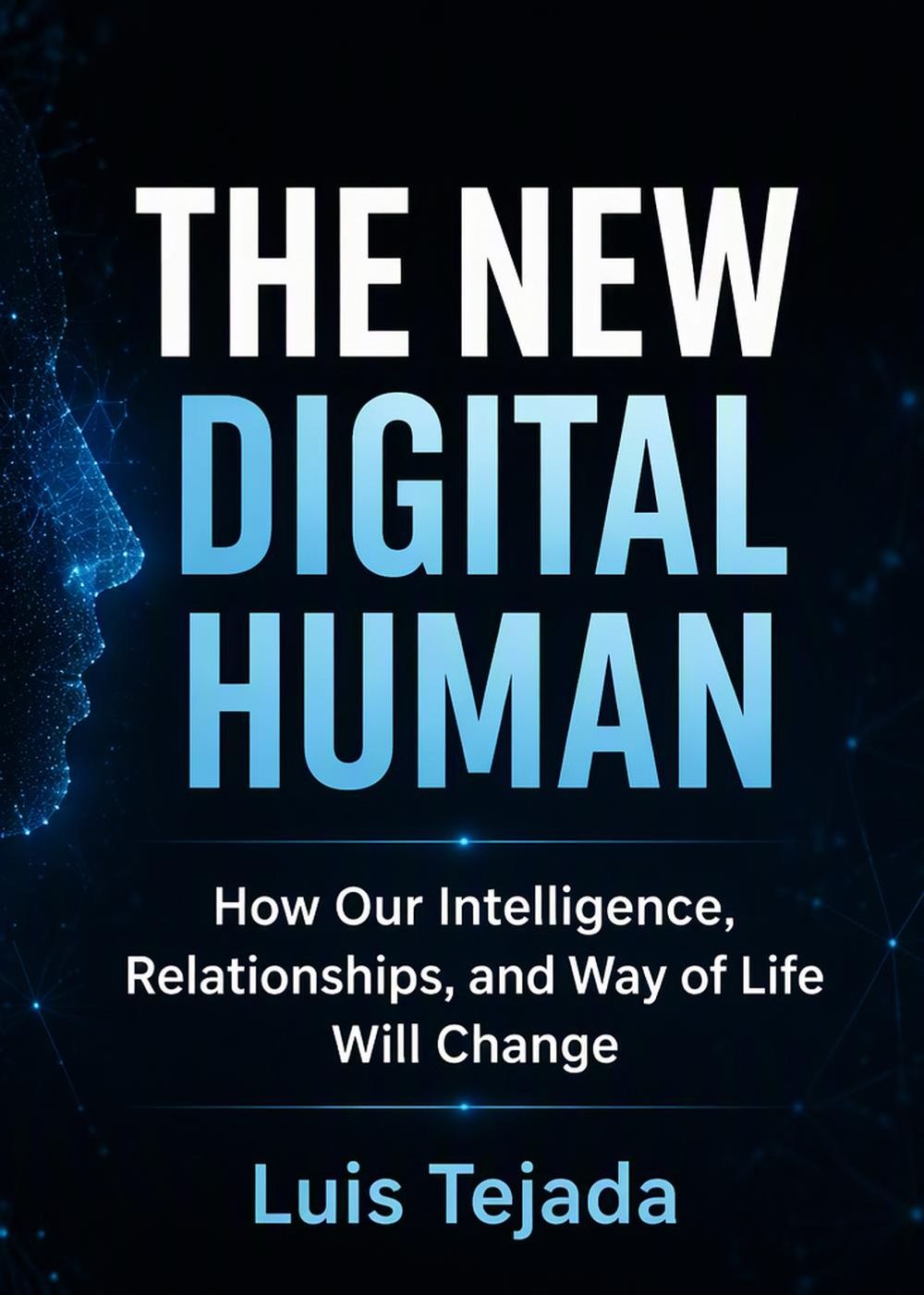
Humanity is entering a new stage of its evolution. Artificial intelligence, digital networks, automation, biotechnology, and intelligent machines are transforming the way we think, learn, work, communicate, and understand ourselves. Technologies that once seemed like science fiction are becoming part of everyday life, raising fundamental questions about the future of human civilization. What will happen to human intelligence when machines can analyze information, write books, solve complex problems, and assist us in countless intellectual tasks? How will our relationships change when digital assistants become increasingly sophisticated? What will work mean in a world where automation can perform a growing number of human activities? And how can we preserve our freedom, identity, and dignity in a society increasingly organized around intelligent systems? The Digital Human explores these questions and examines the profound transformation taking place at the intersection of humanity and technology. This book investigates how artificial intelligence is reshaping education, knowledge, creativity, communication, and the human brain. It explores the changing nature of employment, the emergence of new economic opportunities, and the possibility of a society in which machines perform much of today's productive work. It also examines the risks of technological dependence, digital surveillance, misinformation, economic inequality, and the concentration of power in the hands of organizations that control essential digital infrastructure. Beyond its economic and technological implications, this transformation challenges our understanding of what it means to be human. As intelligent systems become capable of performing increasingly complex tasks, human value will depend on more than productivity, memory, or the ability to process information. Critical thinking, empathy, imagination, moral judgment, and personal responsibility will become essential to navigating the future. The book also examines the relationship between artificial intelligence, neuroscience, biotechnology, and human enhancement. Brain-computer interfaces, personalized medicine, and emerging technologies may expand human capabilities, but they also raise important questions about privacy, autonomy, equality, and the ethical limits of technological intervention. Looking toward 2030, 2040, and 2050, The Digital Human considers possible futures in which intelligent technologies could improve health, broaden access to knowledge, encourage creativity, and free people from unnecessary labor. It also explores alternative scenarios in which growing technological dependence and economic concentration could undermine individual freedom. The central question is not simply what machines will be capable of doing. It is whether humanity will use these capabilities to build a better civilization or gradually adapt its existence to the demands of technological systems. Technology is neither an inevitable destiny nor a guarantee of progress. Its consequences will depend on the decisions made by individuals, businesses, governments, educators, and societies. The challenge is to develop intelligent tools without surrendering the ability to determine our own goals and values. Written for readers interested in artificial intelligence, the future of humanity, digital society, economics, philosophy, and technological change, this book offers a broad perspective on one of the defining transformations of our time. The future will not be determined solely by the machines we create, but by the kind of human beings we choose to become. The ultimate challenge is to build a civilization in which technology expands human freedom, knowledge, health, and dignity—without taking away what makes us human.
Leggi di più
Leggi di meno
Autore:
Anno edizione:
2026
Editore:
Formato:
Lingua:
Inglese
Compatibilità:
Tutti i dispositivi (eccetto Kindle) Scopri di più
Layout:
Reflowable
EAN:
9798237644289
L'articolo è stato aggiunto al carrello
Formato:
Gli eBook venduti da IBS.it sono in formato ePub e possono essere protetti da Adobe DRM. In caso di download di un file protetto da DRM si otterrà un file in formato .acs, (Adobe Content Server Message), che dovrà essere aperto tramite Adobe Digital Editions e autorizzato tramite un account Adobe, prima di poter essere letto su pc o trasferito su dispositivi compatibili.
Cloud:
Gli eBook venduti da IBS.it sono sincronizzati automaticamente su tutti i client di lettura Kobo successivamente all’acquisto. Grazie al Cloud Kobo i progressi di lettura, le note, le evidenziazioni vengono salvati e sincronizzati automaticamente su tutti i dispositivi e le APP di lettura Kobo utilizzati per la lettura.
Clicca qui per sapere come scaricare gli ebook utilizzando un pc con sistema operativo Windows
L’articolo è stato aggiunto alla lista dei desideri
