

L’articolo è stato aggiunto alla lista dei desideri









LIBRO INGLESE
 E-mail
 Facebook
 LinkedIn
 Twitter
 WhatsApp
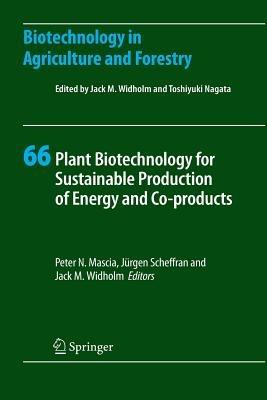
Plant Biotechnology for Sustainable Production of Energy and Co-products
(0)
Cliccando su “Conferma” dichiari che il contenuto da te inserito è conforme alle Condizioni Generali d’Uso del Sito ed alle Linee Guida sui Contenuti Vietati. Puoi rileggere e modificare e successivamente confermare il tuo contenuto. Tra poche ore lo troverai online (in caso contrario verifica la conformità del contenuto alle policy del Sito).
Grazie per la tua recensione!
Tra poche ore la vedrai online (in caso contrario verifica la conformità del testo alle nostre linee guida). Dopo la pubblicazione per te +4 punti 
208,70 €
+2090
punti 
Venditore: IBS
Articolo acquistabile con Carta del Docente

Articolo acquistabile con Carta Cultura Giovani e Carta del Merito

Paga con Klarna in 3 rate senza interessi per ordini superiori a 39 €

Dati e Statistiche
 Salvato in 0 liste dei desideri
Salvato in 0 liste dei desideri
Plant Biotechnology for Sustainable Production of Energy and Co-products
Disponibilità in 2 settimane
208,70 €
208,70 €
Disponibilità in 2 settimane
Altre offerte vendute e spedite dai nostri venditori
Libri in Inglese
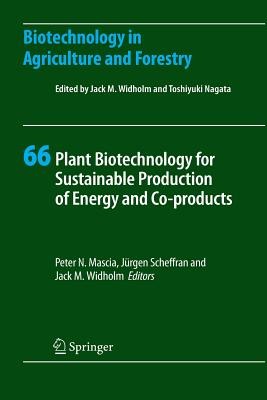
Plant Biotechnology for Sustainable Production of Energy and Co-products
Altri venditori
Prezzo e spese di spedizione
Nuovo
 disponibilità in 2 settimane
 Venduto e spedito da
IBS
Venduto e spedito da
IBS
disponibilità in 2 settimane
Spedizione Gratis
208,70 €
Altri venditori
Prezzo e spese di spedizione
Nuovo
disponibilità in 2 settimane
Venduto e spedito da
IBS
disponibilità in 2 settimane
Spedizione Gratis
208,70 €
Altri venditori
Prezzo e spese di spedizione

Tutti i formati ed edizioni
Promo attive (0)
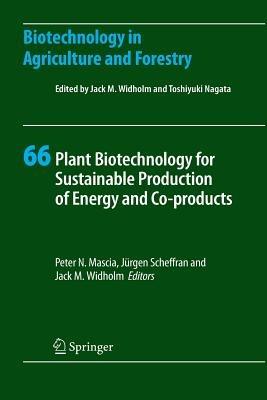
This book is a collection of chapters concerning the use of biomass for the sustainable production of energy and chemicals–an important goal that will help decrease the production of greenhouse gases to help mitigate global warming, provide energy security in the face of dwindling petroleum reserves, improve balance of payment problems and spur local economic development. Clearly there are ways to save energy that need to be encouraged more. These include more use of energy sources such as, among others, manure in anaerobic digesters, waste wood in forests as fuel or feedstock for cellulosic ethanol, and conservation reserve program (CRP) land crops that are presently unused in the US. The use of biofuels is not new; Rudolf Diesel used peanut oil as fuel in the ?rst engines he developed (Chap. 8), and ethanol was used in the early 1900s in the US as automobile fuel [Songstad et al. (2009) Historical perspective of biofuels: learning from the past to rediscover the future. In Vitro Cell Dev Biol Plant 45:189–192). Brazil now produces enough sugar cane ethanol to make up about 50% of its transportation fuel needs (Chap. 4). The next big thing will be cellulosic ethanol. At present, there is also the use of Miscanthus x giganteous as fuel for power plants in the UK (Chap. 2), bagasse (sugar cane waste) to power sugar cane mills (Chap. 4), and waste wood and sawdust to power sawmills (Chap. 7).
Leggi di più
Leggi di meno
Curatore:
Collana:
Biotechnology in Agriculture and Forestry
Anno:
2012
Rilegatura:
Paperback / softback
Pagine:
458 p.
Testo in English
Dimensioni:
235 x 155 mm
EAN:
9783642264993
L'articolo è stato aggiunto al carrello
Informazioni e Contatti sulla Sicurezza dei Prodotti
Le schede prodotto sono aggiornate in conformità al Regolamento UE 988/2023. Laddove ci fossero taluni dati non disponibili per ragioni indipendenti da IBS, vi informiamo che stiamo compiendo ogni ragionevole sforzo per inserirli. Vi invitiamo a controllare periodicamente il sito www.ibs.it per eventuali novità e aggiornamenti.
Per le vendite di prodotti da terze parti, ciascun venditore si assume la piena e diretta responsabilità per la commercializzazione del prodotto e per la sua conformità al Regolamento UE 988/2023, nonché alle normative nazionali ed europee vigenti.
Per informazioni sulla sicurezza dei prodotti, contattare productsafetyibs@feltrinelli.it
L’articolo è stato aggiunto alla lista dei desideri
