

L’articolo è stato aggiunto alla lista dei desideri


LIBRO INGLESE
 E-mail
 Facebook
 LinkedIn
 Twitter
 WhatsApp
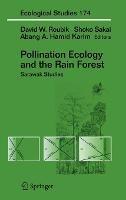
Pollination Ecology and the Rain Forest: Sarawak Studies
(0)
Cliccando su “Conferma” dichiari che il contenuto da te inserito è conforme alle Condizioni Generali d’Uso del Sito ed alle Linee Guida sui Contenuti Vietati. Puoi rileggere e modificare e successivamente confermare il tuo contenuto. Tra poche ore lo troverai online (in caso contrario verifica la conformità del contenuto alle policy del Sito).
Grazie per la tua recensione!
Tra poche ore la vedrai online (in caso contrario verifica la conformità del testo alle nostre linee guida). Dopo la pubblicazione per te +4 punti 
205,10 €

Venditore: IBS
Articolo acquistabile con Carta del Docente

Articolo acquistabile con Carta Cultura Giovani e Carta del Merito

Articolo acquistabile con Carta della Cultura

Paga con Klarna in 3 rate senza interessi per ordini superiori a 39 €

Dati e Statistiche
 Salvato in 0 liste dei desideri
Pollination Ecology and the Rain Forest: Sarawak Studies
Disponibilità in 2 settimane
205,10 €
205,10 €
Disponibilità in 2 settimane
Altre offerte vendute e spedite dai nostri venditori
Libri in Inglese
Pollination Ecology and the Rain Forest: Sarawak Studies
Altri venditori
Prezzo e spese di spedizione
LIBRO INGLESE
Disponibilità in 2 settimane

Venduto e spedito da
IBS
Spedizione Gratis
205,10 €
Altri venditori
Prezzo e spese di spedizione
LIBRO INGLESE
Disponibilità in 2 settimane
Venduto e spedito da
IBS
Spedizione Gratis
205,10 €
Altri venditori
Prezzo e spese di spedizione

Tutti i formati ed edizioni
Promo attive (0)
Rain Forest Biology and the Canopy System, Sarawak, 1992–2002 The rain forest takes an immense breath and then exhales, once every four or ?ve years, as a major global weather pattern plays out, usually heralded by El Nin ˜o–Southern Oscillation. While this powerful natural cycle has occurred for many millennia, it is during the past decade that both the climate of Earth and the people living on it have had an increasing in?uence on the weather pattern itself, with many biological consequences. In Southeast Asia, as also in most of the Neotropics, El Nin ˜o accompanies one of the most exuberant o- pourings of nature’s diversity. After several years of little activity, the incredibly diverse rain forests suddenly burst into ?ower—a phenomenon referred to as General Flowering in Asia. Plant populations are rejuvenated and animals are fed, but the process involves a delicate and complex balance. When the canopy access system was under construction at Lambir Hills - tional Park in the early 1990s, it made use of an underlying technology that was already in place: bridges. For centuries, bridges have spanned the natural chasms over rivers. This existing network of bridges and the people who built and use them produced the technology we needed to gain access to the canopy. Bridge builders were our natural allies in the quest for biological knowledge of the high canopy.
Leggi di più
Leggi di meno
Curatore:
Editore:
Collana:
Ecological Studies
Anno:
2005
Rilegatura:
Hardback
Pagine:
308 p.
Testo in English
Dimensioni:
235 x 155 mm
EAN:
9780387213095

L'articolo è stato aggiunto al carrello
Informazioni e Contatti sulla Sicurezza dei Prodotti
Le schede prodotto sono aggiornate in conformità al Regolamento UE 988/2023. Laddove ci fossero taluni dati non disponibili per ragioni indipendenti da IBS, vi informiamo che stiamo compiendo ogni ragionevole sforzo per inserirli. Vi invitiamo a controllare periodicamente il sito www.ibs.it per eventuali novità e aggiornamenti.
Per le vendite di prodotti da terze parti, ciascun venditore si assume la piena e diretta responsabilità per la commercializzazione del prodotto e per la sua conformità al Regolamento UE 988/2023, nonché alle normative nazionali ed europee vigenti.
Per informazioni sulla sicurezza dei prodotti, contattare productsafetyibs@feltrinelli.it
L’articolo è stato aggiunto alla lista dei desideri
