

L’articolo è stato aggiunto alla lista dei desideri









LIBRO INGLESE
 E-mail
 Facebook
 LinkedIn
 Twitter
 WhatsApp
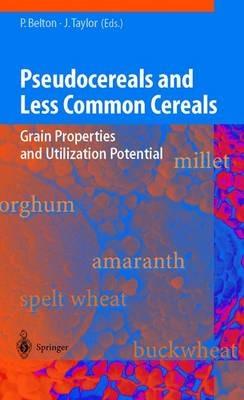
Pseudocereals and Less Common Cereals: Grain Properties and Utilization Potential
(0)
Cliccando su “Conferma” dichiari che il contenuto da te inserito è conforme alle Condizioni Generali d’Uso del Sito ed alle Linee Guida sui Contenuti Vietati. Puoi rileggere e modificare e successivamente confermare il tuo contenuto. Tra poche ore lo troverai online (in caso contrario verifica la conformità del contenuto alle policy del Sito).
Grazie per la tua recensione!
Tra poche ore la vedrai online (in caso contrario verifica la conformità del testo alle nostre linee guida). Dopo la pubblicazione per te +4 punti 
130,70 €
+1310
punti 

Venditore: IBS
Articolo acquistabile con Carta del Docente

Articolo acquistabile con Carta Cultura Giovani e Carta del Merito

Paga con Klarna in 3 rate senza interessi per ordini superiori a 39 €

Dati e Statistiche
 Salvato in 0 liste dei desideri
Salvato in 0 liste dei desideri
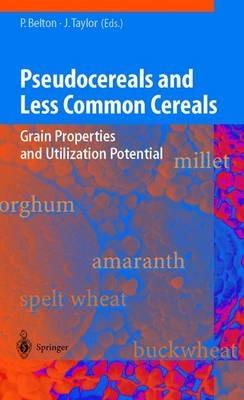
Pseudocereals and Less Common Cereals: Grain Properties and Utilization Potential
Disponibilità in 2 settimane
130,70 €
130,70 €
Disponibilità in 2 settimane
Altre offerte vendute e spedite dai nostri venditori
Libri in Inglese
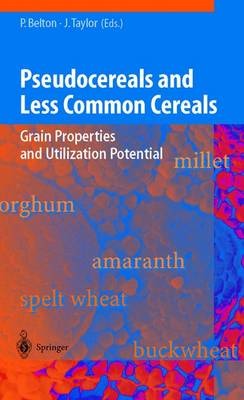
Pseudocereals and Less Common Cereals: Grain Properties and Utilization Potential
Altri venditori
Prezzo e spese di spedizione
Nuovo
 disponibilità in 2 settimane
 Venduto e spedito da
IBS
Venduto e spedito da
IBS
disponibilità in 2 settimane
Spedizione Gratis
130,70 €
Altri venditori
Prezzo e spese di spedizione
Nuovo
disponibilità in 2 settimane
Venduto e spedito da
IBS
disponibilità in 2 settimane
Spedizione Gratis
130,70 €
Altri venditori
Prezzo e spese di spedizione

Tutti i formati ed edizioni
Promo attive (1)
Today, at the beginning of the third millenium, just three cereal grains - wheat, rice and maize - dominate the world's food supply, accounting for some 75 % of all grains produced. This food "oligoculture" poses some risks for the future of humankind. The risk of catastrophic food crop failure through insect pests or fungal diseases is ever greater as genetic diversity is reduced. The introduction of genetically modified cereals may exacerbate this situation, as different speeies will share the same genes conferring resistance to pests. The intensive cultivation practices needed to produce the required high yields of these highly developed cereals, the so-called Green Revolution, is leading to environmental degradation through denudation of the soil and pollution of the environment due to pestieide and fertilizer runoff. In addition, the undoubted benefits brought about for many by the Green Revolution, with its use of intensive agricultural practises, cannot be shared by all. Such cultivation practises are often inappropriate in the developing world where farmers simply do not have the income to purchase the required agricultural machinery, inorganic fertilizers and pestieides. Also, the environmental con ditions in much of the developing world, characterised by frequent droughts interspersed with short periods of very high rainfall, are espeeially dam aging to the large areas of unprotected soil which result from mechanised agriculture. Reliance on so few different grains for our nutrition also appears to be detri mental to our long-term health.
Leggi di più
Leggi di meno
Curatore:
Anno:
2002
Rilegatura:
Hardback
Pagine:
270 p.
Testo in English
Dimensioni:
235 x 155 mm
EAN:
9783540429395
L'articolo è stato aggiunto al carrello
Informazioni e Contatti sulla Sicurezza dei Prodotti
Le schede prodotto sono aggiornate in conformità al Regolamento UE 988/2023. Laddove ci fossero taluni dati non disponibili per ragioni indipendenti da IBS, vi informiamo che stiamo compiendo ogni ragionevole sforzo per inserirli. Vi invitiamo a controllare periodicamente il sito www.ibs.it per eventuali novità e aggiornamenti.
Per le vendite di prodotti da terze parti, ciascun venditore si assume la piena e diretta responsabilità per la commercializzazione del prodotto e per la sua conformità al Regolamento UE 988/2023, nonché alle normative nazionali ed europee vigenti.
Per informazioni sulla sicurezza dei prodotti, contattare productsafetyibs@feltrinelli.it
L’articolo è stato aggiunto alla lista dei desideri
