

L’articolo è stato aggiunto alla lista dei desideri









EBOOK IN LINGUA STRANIERA
 E-mail
 Facebook
 LinkedIn
 Twitter
 WhatsApp
Role of Hadith in the promotion of Islamic climate and attitudes
(0)
Cliccando su “Conferma” dichiari che il contenuto da te inserito è conforme alle Condizioni Generali d’Uso del Sito ed alle Linee Guida sui Contenuti Vietati. Puoi rileggere e modificare e successivamente confermare il tuo contenuto. Tra poche ore lo troverai online (in caso contrario verifica la conformità del contenuto alle policy del Sito).
Grazie per la tua recensione!
Tra poche ore la vedrai online (in caso contrario verifica la conformità del testo alle nostre linee guida). Dopo la pubblicazione per te +4 punti 
8,10 €
+80
punti 
Venditore: IBS

Acquista online
Scaricabile subito
Articolo acquistabile con Carta del Docente

Articolo acquistabile con Carta Cultura Giovani e Carta del Merito

Abbonati a Kobo plus per avere accesso illimitato a questo contenuto

Dati e Statistiche
 Salvato in 0 liste dei desideri
Salvato in 0 liste dei desideri
Role of Hadith in the promotion of Islamic climate and attitudes
Scaricabile subito
8,10 €
8,10 €
Scaricabile subito
Altre offerte vendute e spedite dai nostri venditori
Ebook in lingua straniera
Role of Hadith in the promotion of Islamic climate and attitudes
Altri venditori
Prezzo e spese di spedizione
Nuovo
 scaricabile subito
 Venduto e spedito da
IBS
Venduto e spedito da
IBS
scaricabile subito
Spedizione Gratis
8,10 €
Altri venditori
Prezzo e spese di spedizione
Nuovo
scaricabile subito
Venduto e spedito da
IBS
scaricabile subito
Spedizione Gratis
8,10 €
Altri venditori
Prezzo e spese di spedizione

Tutti i formati ed edizioni
Promo attive (0)
Role of Hadith in the promotion of Islamic climate and attitudes
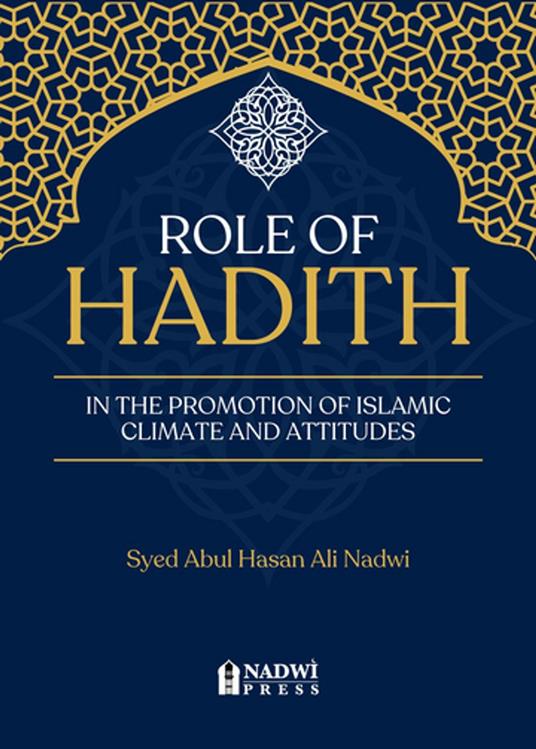
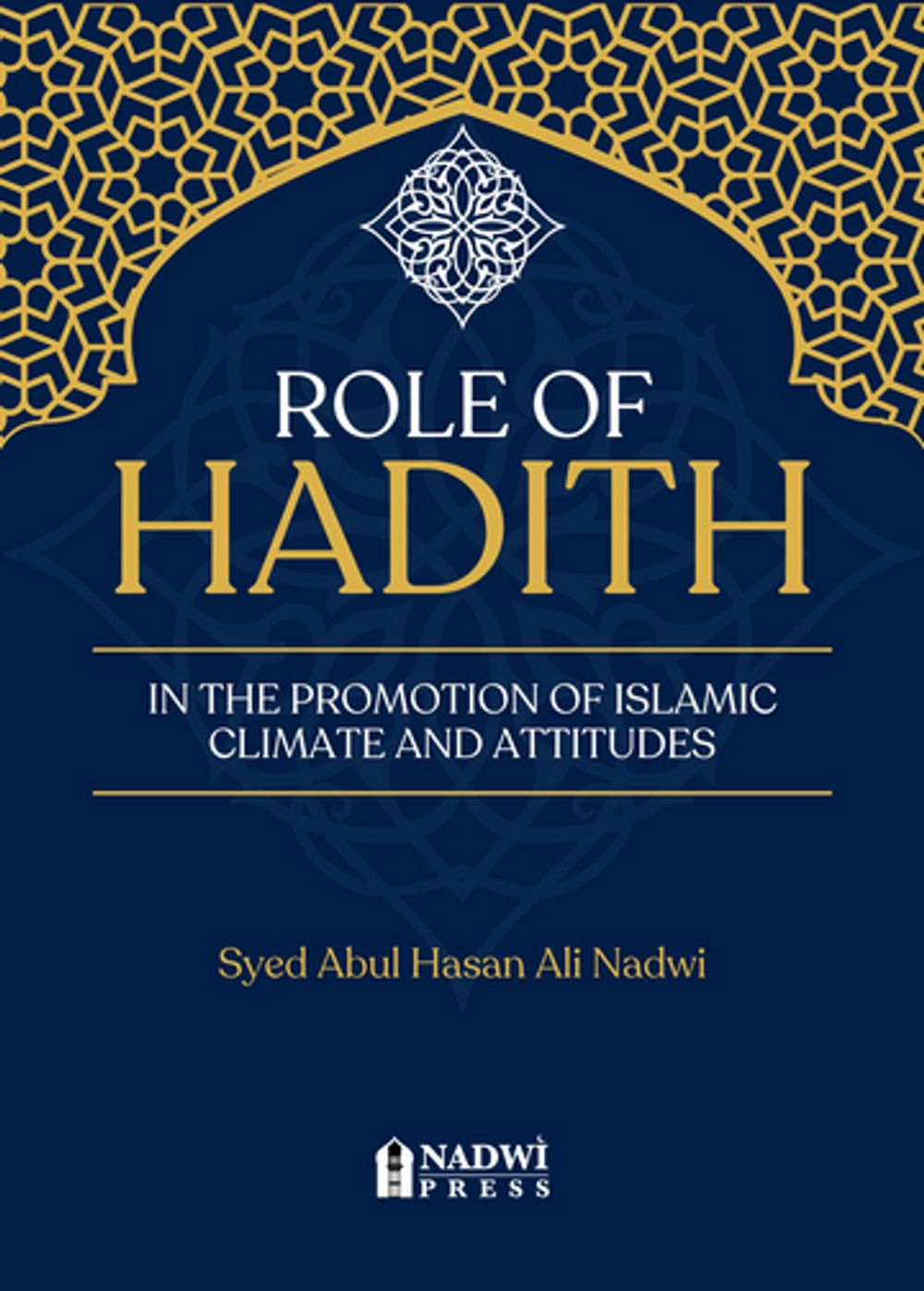
A Foundational Study on the Living Legacy of the Prophet's Teachings In an age when the authenticity and necessity of hadith literature face renewed skepticism, this seminal work by one of Islam's most respected twentieth-century scholars offers a compelling defense of the Prophetic tradition's indispensable role in Muslim life. Originally delivered as a lecture at the Rabita Alam Al-Islami in Mecca in 1981, Role of Hadith in the Promotion of Islamic Climate and Attitudes addresses a critical question: Why is hadith essential to Islamic faith and practice? What This Book Examines Sayyid Abul Hasan Ali Nadwi demonstrates how hadith literature preserved not merely legal rulings, but the complete spiritual, moral, and psychological environment of the Prophet's era. The work explores how the companions of Prophet Muhammad witnessed his character firsthand—his devotion in prayer, his compassion toward the weak, his simplicity despite authority, his tears during night vigils, and his concern for the Hereafter. These living examples, preserved through hadith, created an Islamic climate that shaped generations of believers. The author provides a comparative religious analysis, examining how Judaism, Christianity, Hinduism, and Zoroastrianism suffered from the loss of authentic records of their founders' lives. The Talmud, the Gospels, and various apocryphal texts emerged to fill this void, often introducing innovations and distortions. In contrast, Islam's meticulous preservation of hadith through rigorous chains of transmission protected the faith from similar drift. Historical Evidence and Reform Movements Through detailed historical examination, Nadwi traces how hadith scholarship has consistently sparked reformist movements across Muslim societies. From Shaikh Ahmad Sirhindi in Mughal India to Muhammad ibn Abdul Wahhab in Arabia, from Shah Wali Allah in Delhi to reformers in Egypt, Afghanistan, and North Africa—each revival drew its strength from returning to the Prophet's authenticated teachings. The book documents how periods of hadith neglect correlated with the spread of unorthodox practices, while renewed hadith study consistently restored Islamic norms. The work presents compelling case studies from tenth and eleventh-century India, where distance from hadith scholarship led to widespread innovations in Sufi practice. Only when scholars like Abdul Haq Muhaddith Dehlavi and Shah Wali Allah reintroduced systematic hadith study did reform take root, ultimately producing movements that shaped Muslim intellectual life for centuries. Author's Distinctive Approach Rather than rehearsing traditional arguments for hadith authenticity—territory well-covered by classical scholarship—Nadwi addresses the modern educated Muslim influenced by Western orientalist critiques. He employs psychological insight, historical evidence, and practical reasoning to demonstrate hadith's functional necessity. The analysis reveals how hadith provides the "climate" in which Islamic faith thrives—the emotional, spiritual, and behavioral context that transforms legal injunctions into lived reality. The author confronts contemporary rejection of hadith, identifying it as motivated less by genuine historical criticism than by incompatibility between Prophetic norms and Western civilizational values. He quotes Muhammad Asad's observation that following the sunnah and adopting Western lifestyles represent mutually exclusive choices, explaining why modernist Muslims seek to diminish hadith authority. Key Contributions This work offers several distinctive contributions to Islamic scholarship: Establishes hadith as essential for maintaining Islamic spiritual culture, not merely legal rulings Demonstrates through historical analysis how hadith
Leggi di più
Leggi di meno
Autore:
Traduttore:
Anno edizione:
2025
Editore:
Formato:
Lingua:
Inglese
Compatibilità:
Tutti i dispositivi (eccetto Kindle) Scopri di più
Layout:
Reflowable
EAN:
9789366083056
L'articolo è stato aggiunto al carrello
Formato:
Gli eBook venduti da IBS.it sono in formato ePub e possono essere protetti da Adobe DRM. In caso di download di un file protetto da DRM si otterrà un file in formato .acs, (Adobe Content Server Message), che dovrà essere aperto tramite Adobe Digital Editions e autorizzato tramite un account Adobe, prima di poter essere letto su pc o trasferito su dispositivi compatibili.
Cloud:
Gli eBook venduti da IBS.it sono sincronizzati automaticamente su tutti i client di lettura Kobo successivamente all’acquisto. Grazie al Cloud Kobo i progressi di lettura, le note, le evidenziazioni vengono salvati e sincronizzati automaticamente su tutti i dispositivi e le APP di lettura Kobo utilizzati per la lettura.
Clicca qui per sapere come scaricare gli ebook utilizzando un pc con sistema operativo Windows
L’articolo è stato aggiunto alla lista dei desideri
