

L’articolo è stato aggiunto alla lista dei desideri










EBOOK IN LINGUA STRANIERA
 E-mail
 Facebook
 LinkedIn
 Twitter
 WhatsApp
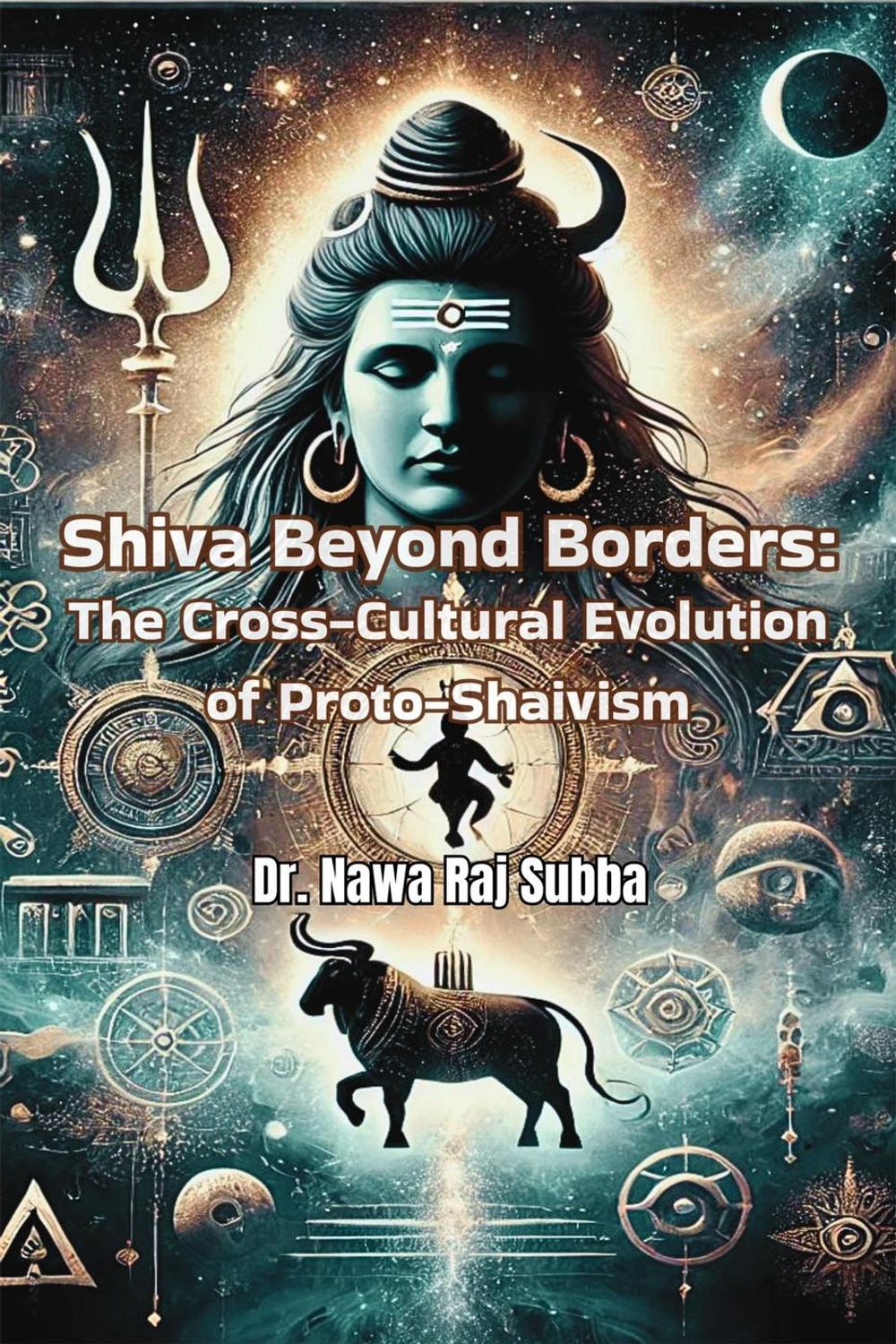
Shiva Beyond Borders: The Cross-Cultural Evolution of Proto-Shaivism
(0)
Cliccando su “Conferma” dichiari che il contenuto da te inserito è conforme alle Condizioni Generali d’Uso del Sito ed alle Linee Guida sui Contenuti Vietati. Puoi rileggere e modificare e successivamente confermare il tuo contenuto. Tra poche ore lo troverai online (in caso contrario verifica la conformità del contenuto alle policy del Sito).
Grazie per la tua recensione!
Tra poche ore la vedrai online (in caso contrario verifica la conformità del testo alle nostre linee guida). Dopo la pubblicazione per te +4 punti 
4,99 €
+50
punti 
Venditore: IBS

Acquista online
Scaricabile subito
Articolo acquistabile con Carta del Docente

Articolo acquistabile con Carta Cultura Giovani e Carta del Merito

Abbonati a Kobo plus per avere accesso illimitato a questo contenuto

Dati e Statistiche
 Salvato in 0 liste dei desideri
Salvato in 0 liste dei desideri
Shiva Beyond Borders: The Cross-Cultural Evolution of Proto-Shaivism
Scaricabile subito
4,99 €
4,99 €
Scaricabile subito
Altre offerte vendute e spedite dai nostri venditori

Ebook in lingua straniera
Shiva Beyond Borders: The Cross-Cultural Evolution of Proto-Shaivism
Altri venditori
Prezzo e spese di spedizione
Nuovo
 scaricabile subito
 Venduto e spedito da
IBS
Venduto e spedito da
IBS
scaricabile subito
Spedizione Gratis
4,99 €
Altri venditori
Prezzo e spese di spedizione
Nuovo
scaricabile subito
Venduto e spedito da
IBS
scaricabile subito
Spedizione Gratis
4,99 €
Altri venditori
Prezzo e spese di spedizione

Tutti i formati ed edizioni

Promo attive (0)
Shiva Beyond Borders: The Cross-Cultural Evolution of Proto-Shaivism
Book Introduction The scholarly yet multidimensional and original research work, "Shiva Beyond Borders: The Cross-Cultural Evolution of Proto-Shaivism - A Comparative Study of Philosophy, Symbolism, and Global Traditions," written by Dr. Nawa Raj Subba, is truly a text that elucidates the philosophical, cultural, and symbolic significance of Proto-Shaiva traditions in ancient civilisations beyond lines of Indian subcontinent context. This book places Shiva back on the global map to investigate the correlations in symbolism, rituals, and philosophy all over the world of ancient Africa, Mesopotamia, Egypt, the Middle East, and the Indus Valley, among other early civilisations. In the first chapter, we offer the background, purpose, methods, and philosophical lens of the book. It examines Shiva's tripartite role as creator, destroyer, and preserver, interpreting his symbols such as the Lingam, Trident, and Nandi in an interdisciplinary, cross-culturally metaphysical context. Natural elements, yoga elements, and ecological aspects are among the mentioned themes. Chapter Two examines the prevalence of Proto-Shaiva elements among African civilisations. Chapter 5 then explores horned gods, fertility cults, possession, and syncretism, with an emphasis on parallels between Min (of Egypt) and possibly Shiva. It implies that Shaiva-like customs may have developed independently or by means of intercultural contact. The third chapter is on Mesopotamia. The chapter explores gods (like Enki) and ritual elements (like lingam-shaped pillars, bull iconography (like Nandi), etc.). The chapter delves into important questions regarding potential links between Mesopotamian practices and Proto-Shaiva traditions, including a comparative assessment of deities like Adad and Enlil. Chapter Four: Exploration of early Middle Eastern traditions, including the Proto-Elamite and Canaanite cultures. The existence of yogic postures, ascetic practices, sacred woods, and fire rituals indicates thematical resemblances with the esoteric nucleus of Shaivism. We explore these practices through a performative intercultural symbolic prism. In Chapter Five, you examine archaeological finds linked to the Indus Valley civilisation. The famous Pashupati seal, lingam worship, ritual bathing, yoga postures in artefacts, and water symbolism all hint that Shaiva philosophy probably predated the Vedic period. The chapter offers cross-cultural comparison with ancient traditions. Chapter Six contains theoretical insights and global parallels. It explores whether Shaiva concepts were developed autonomously or through cultural diffusion and weighs the significance of proto-Shaivism in modern-day religious studies. The closing chapter ends with a lasting influence of Shaiva thought. It talks about ecological episteme, religious pluralism, and the unifying power of Shaiva philosophy. It is also on a multi-science agenda for future research. In addition, the appendices include a catalogue of archaeological evidence, works of art, terms, and chronological sequences underpinning the book's research framework. More than just a rereading of ancient religious and cultural paradigms, Dr. Nawa Raj Subba's work was a theoretical claim. It reframes Shiva as a global spiritual archetype embedded in the shared experiences, symbols, and metaphysical quests of many ancient civilisations. This book will be a learnt and essential resource for scholars of religion, history, philosophy, and comparative symbols.
Leggi di più
Leggi di meno
Autore:
Anno edizione:
2025
Editore:
Formato:
Lingua:
Inglese
Compatibilità:
Tutti i dispositivi (eccetto Kindle) Scopri di più
Layout:
Reflowable
EAN:
9798230130321
L'articolo è stato aggiunto al carrello
Formato:
Gli eBook venduti da IBS.it sono in formato ePub e possono essere protetti da Adobe DRM. In caso di download di un file protetto da DRM si otterrà un file in formato .acs, (Adobe Content Server Message), che dovrà essere aperto tramite Adobe Digital Editions e autorizzato tramite un account Adobe, prima di poter essere letto su pc o trasferito su dispositivi compatibili.
Cloud:
Gli eBook venduti da IBS.it sono sincronizzati automaticamente su tutti i client di lettura Kobo successivamente all’acquisto. Grazie al Cloud Kobo i progressi di lettura, le note, le evidenziazioni vengono salvati e sincronizzati automaticamente su tutti i dispositivi e le APP di lettura Kobo utilizzati per la lettura.
Clicca qui per sapere come scaricare gli ebook utilizzando un pc con sistema operativo Windows
L’articolo è stato aggiunto alla lista dei desideri
