

L’articolo è stato aggiunto alla lista dei desideri









AUDIOLIBRO IN LINGUA STRANIERA
 E-mail
 Facebook
 LinkedIn
 Twitter
 WhatsApp
Temples of Egypt, The
(0)
Cliccando su “Conferma” dichiari che il contenuto da te inserito è conforme alle Condizioni Generali d’Uso del Sito ed alle Linee Guida sui Contenuti Vietati. Puoi rileggere e modificare e successivamente confermare il tuo contenuto. Tra poche ore lo troverai online (in caso contrario verifica la conformità del contenuto alle policy del Sito).
Grazie per la tua recensione!
Tra poche ore la vedrai online (in caso contrario verifica la conformità del testo alle nostre linee guida). Dopo la pubblicazione per te +4 punti 
3,58 €
+40
punti 
Venditore: IBS

Acquista online
Disponibile su APP ed eReader Kobo
Articolo acquistabile con Carta del Docente

Articolo acquistabile con Carta Cultura Giovani e Carta del Merito

Abbonati a Kobo plus per avere accesso illimitato a questo contenuto

Dati e Statistiche
 Salvato in 0 liste dei desideri
Salvato in 0 liste dei desideri
Temples of Egypt, The
Disponibile su APP ed eReader Kobo
3,58 €
3,58 €
Disponibile su APP ed eReader Kobo
Altre offerte vendute e spedite dai nostri venditori

Audiolibri in lingua straniera
Temples of Egypt, The
Altri venditori
Prezzo e spese di spedizione
Nuovo
 scaricabile subito
 Venduto e spedito da
IBS
Venduto e spedito da
IBS
scaricabile subito
Spedizione Gratis
3,58 €
Altri venditori
Prezzo e spese di spedizione
Nuovo
scaricabile subito
Venduto e spedito da
IBS
scaricabile subito
Spedizione Gratis
3,58 €
Altri venditori
Prezzo e spese di spedizione

Tutti i formati ed edizioni
Promo attive (0)
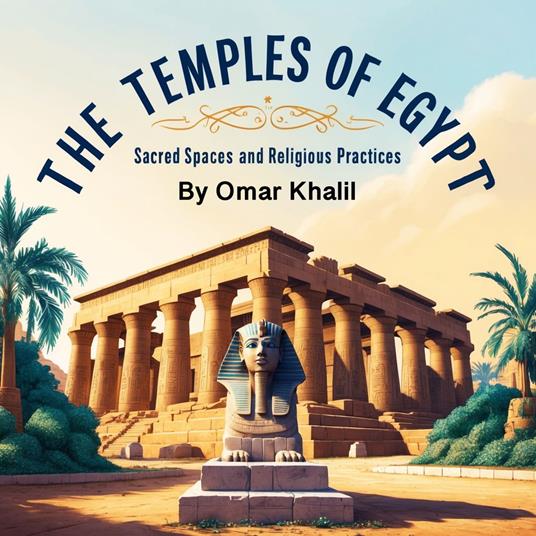
Temples in ancient Egypt were far more than mere places of worship. They stood at the very heart of Egyptian civilization, functioning as both spiritual centers and instruments of political and social order. Each temple was seen as a dwelling place for a god or goddess, and the rituals performed within their walls were believed to maintain the cosmic balance known as ma’at. The presence of a temple in a city or region signaled divine favor and legitimacy, reinforcing the bond between the gods and the ruling pharaoh. Pharaohs were considered divine intermediaries between the gods and the people, and their authority was deeply rooted in religious belief. Temples were a direct reflection of this divine connection. Often constructed by pharaohs to honor specific deities, temples helped assert royal power and ensure harmony across the land. Through grand architecture and lavish offerings, rulers demonstrated their piety and reaffirmed their right to govern. This link between kingship and temple worship made temples central to the ideological framework of the state. Beyond their religious significance, temples also played a pivotal role in the social life of ancient Egyptians. They were the sites of numerous festivals and ceremonial events that brought entire communities together. These occasions were marked by processions, music, dancing, and the display of sacred statues, all of which reinforced communal identity and devotion. The most prominent of these was the Opet Festival in Thebes, during which statues of Amun, Mut, and Khonsu were transported from Karnak to Luxor Temple in a public procession along the Nile. Such festivals reminded people of the gods’ presence and the pharaoh’s divine role in upholding order.
Leggi di più
Leggi di meno
Lingua:
Inglese
EAN:
9798318124419
L'articolo è stato aggiunto al carrello
Formato:
Gli Audiolibri venduti dal nostro sito sono in formato MP3 e protetti da un DRM proprietario Kobo.
Compatibilità:
Gli Audiolibri venduti dal nostro sito possono essere ascoltati sul tuo smartphone o tablet tramite la APP gratuita Kobo Books scaricabile da iOS o Android. Gli Audiolibri non possono essere scaricati in locale o trasferiti su un client di ascolto diverso da quello fornito tramite Kobo. Non è possibile ascoltare gli audiolibri con la Kobo APP Desktop. Puoi ascoltare gli Audiolibri tramite determinati eReader Kobo, utilizzando cuffie o casse con Bluetooth. Visita la pagina degli eReader per avere maggiori dettagli.
Cloud:
Gli Audiolibri venduti singolarmente dal nostro sito sono immediatamente sincronizzati sul tuo account personale in automatico. Successivamente all'acquisto, sono subito disponibili all'ascolto tramite i client di lettura Kobo compatibili.
Clicca qui servissero ulteriori informazioni
L’articolo è stato aggiunto alla lista dei desideri
