

L’articolo è stato aggiunto alla lista dei desideri









LIBRO
 E-mail
 Facebook
 LinkedIn
 Twitter
 WhatsApp
The aura in the age of digital materiality. Rethinking preservation in the shadow of an uncertain future
(0)
Cliccando su “Conferma” dichiari che il contenuto da te inserito è conforme alle Condizioni Generali d’Uso del Sito ed alle Linee Guida sui Contenuti Vietati. Puoi rileggere e modificare e successivamente confermare il tuo contenuto. Tra poche ore lo troverai online (in caso contrario verifica la conformità del contenuto alle policy del Sito).
Grazie per la tua recensione!
Tra poche ore la vedrai online (in caso contrario verifica la conformità del testo alle nostre linee guida). Dopo la pubblicazione per te +4 punti 
37,05 €

-5%
39,00 €
+370
punti
Venditore: IBS
Articolo acquistabile con Carta del Docente

Articolo acquistabile con Carta Cultura Giovani e Carta del Merito

Articolo acquistabile con Carta della Cultura


Dati e Statistiche
 Salvato in 1 lista dei desideri
Salvato in 1 lista dei desideri
The aura in the age of digital materiality. Rethinking preservation in the shadow of an uncertain future
Attualmente non disponibile
37,05 €
-5%
39,00 €
37,05 €
39,00 €
-5%
Attualmente non disponibile
Altre offerte vendute e spedite dai nostri venditori

Libri
The aura in the age of digital materiality. Rethinking preservation in the shadow of an uncertain future
Altri venditori
Prezzo e spese di spedizione
Attualmente non disponibile

Venduto e spedito da
IBS
Spedizione Gratis
-5%
39,00 €
37,05 €
Altri venditori
Prezzo e spese di spedizione
Attualmente non disponibile
Venduto e spedito da
IBS
Spedizione Gratis
-5%
39,00 €
37,05 €
Altri venditori
Prezzo e spese di spedizione

Tutti i formati ed edizioni
Promo attive (0)
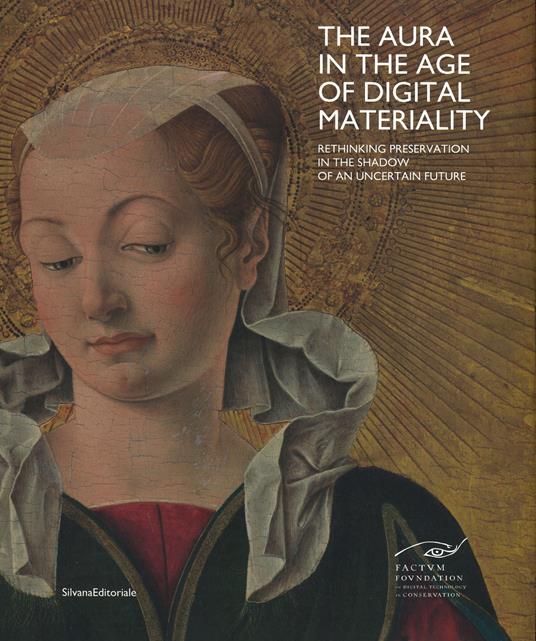
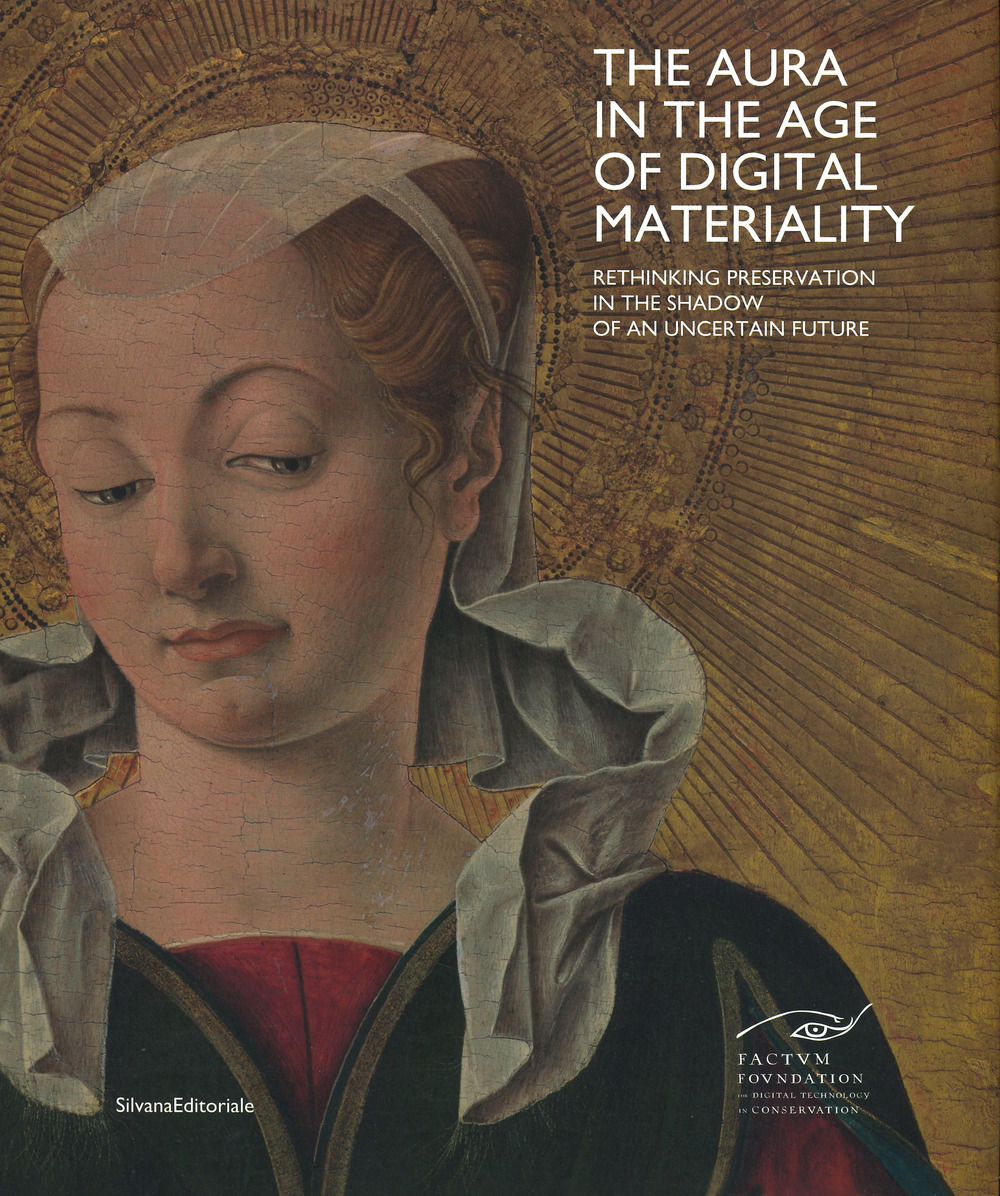
This publication focuses on Factum Foundation’s work to promote the use of high-resolution recording, digital restoration and creative re-materialisation while bringing into focus the changing attitudes towards owning, sharing, preserving and displaying cultural artefacts. It accompanies the exhibition at Palazzo Fava in Bologna, which has reunified the sixteen original panels that still exist from the Polittico Griffoni, a remarkable example of painting from the Bolognese Renaissance. The altarpiece stood in the Griffoni Chapel in the Church of San Petronio until it was broken up in 1725. The 16 tempera paintings by Francesco del Cossa and Ercole de’ Roberti will be exhibited together with 16 facsimiles arranged in what is thought to be the original configuration of the altarpiece – allowing it to be seen as its patrons and makers intended. The aim of the collection of thoughts and images in this book is to encourage reflection on the ways that digital technologies in virtual and physical form, are changing our approach to the preservation and conservation of the material evidence of the past. It brings together recent projects by Factum and a wonderfully diverse collection of essays, many written especially for this book, by collaborators and friends. Their widely different backgrounds and disciplines only illustrate the importance of this subject and the huge range of its relevance. Contributors include Hartwig Fischer, Director of the British Museum; Mari Lending, the author of ; Nadja Aksamija, Professor of Italian Renaissance and Baroque art and architecture at Wesleyan University; Egyptologist Nicholas Reeves; Pulitzer Prize-winning author Richard Powers; Shirley Djukurnã Krenak, Indigenous activist from the Upper Xingu; philosophers Bruno Latour, Brian Cantwell Smith and Alva Noë; Simon Schaffer, Professor of the History and Philosophy of Science at the University of Cambridge; architect Charlotte Skene Catling; Jerry Brotton, specialist in cartography and the Renaissance; and Chiara Casarin, Director of the Musei Civici di Bassano del Grappa.
Leggi di più
Leggi di meno

L'articolo è stato aggiunto al carrello
Informazioni e Contatti sulla Sicurezza dei Prodotti
Le schede prodotto sono aggiornate in conformità al Regolamento UE 988/2023. Laddove ci fossero taluni dati non disponibili per ragioni indipendenti da IBS, vi informiamo che stiamo compiendo ogni ragionevole sforzo per inserirli. Vi invitiamo a controllare periodicamente il sito www.ibs.it per eventuali novità e aggiornamenti.
Per le vendite di prodotti da terze parti, ciascun venditore si assume la piena e diretta responsabilità per la commercializzazione del prodotto e per la sua conformità al Regolamento UE 988/2023, nonché alle normative nazionali ed europee vigenti.
Per informazioni sulla sicurezza dei prodotti, contattare productsafetyibs@feltrinelli.it
L’articolo è stato aggiunto alla lista dei desideri
